
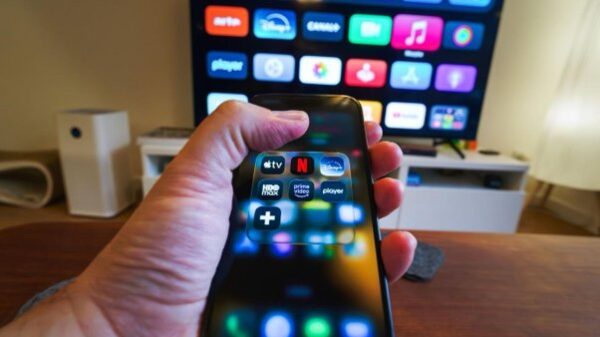
Photo by Jakub Zerdzicki from Pexels: https://www.pexels.com/photo/hand-holding-smartphone-with-streaming-apps-35490407/
Everyone who’s ever queued up a Disney+ free trial the week a new Star Wars show drops, then quietly forgot to cancel before the first payment came out, already understands the psychology streaming platforms are built on. Show someone what they’d be paying for before you ask for the card details to actually stick, and a chunk of them stay for reasons that have nothing to do with willpower. It’s the whole model, and every major platform runs some version of it because it works.
It’s also getting more expensive to stay signed up once the trial ends. Apple TV+ raised its US price again this year — up from $12.99 to $14.99 a month, with the annual plan now $119.99 — a fifty per cent jump in barely two years, on a service that launched at $4.99 in 2019. UK pricing tends to lag the US by a few months rather than escape the rises altogether, so anyone still juggling four or five subscriptions is watching the total climb steadily whether or not they’ve noticed each individual increase.
The free trial logic, exported
Online casinos picked up on the same behavioural pattern, just later and with less fanfare. A no deposit bonus works exactly like a Disney+ or Apple TV+ free trial: access to real games with no card charge required upfront, so a player can actually see whether a site’s slot library or live dealer setup is worth their time before committing a penny. For someone who’s cycled through enough streaming trials to know the difference between a genuinely good platform and one riding on hype, the format is instantly legible. The current no deposit bonuses in the UK worth comparing change regularly enough that treating it like picking between four streaming trials, rather than grabbing the first one, actually pays off.
The value of a typical offer is modest by design — usually somewhere between £5 and £20 in bonus funds or a fixed number of free spins, not the sort of money that changes anyone’s evening. What matters is what it lets you check before you spend anything real: whether the operator actually holds a UK Gambling Commission licence, whether withdrawals are quick once you’re ready to cash out, and whether the interface is one you’d want to come back to. Reading the terms first is non-negotiable, because a headline offer that looks generous can still come wrapped in a wagering requirement steep enough to make it worthless in practice.
Free spins aren’t the same as free credit
Not every no-deposit format works the same way, and this is where it’s worth being specific rather than treating “no deposit bonus” as one thing. A batch of free spins ties you to one specific slot title, with winnings usually credited as bonus funds that still carry their own wagering requirement before they’re withdrawable. UK no deposit casino offers built around cash credit are more flexible — spend it across most games on the site — but typically smaller, and equally hedged with conditions. Reading which one’s actually on offer before assuming either counts as free money is the same habit that stops anyone signing up for a “free trial” that quietly turns into a rolling twelve-month contract.
It’s the same instinct that’s kept plenty of viewers on the free, ad-supported side of the fence entirely — iPlayer, ITVX, My5 — while still finding enough to watch most weeks without a card ever being charged. Nobody assumes free automatically means worse any more; they just check what they’re actually getting before deciding whether the paid tier earns its keep. A no-deposit casino offer asks the same question of a slot library that a free streaming tier asks of a catalogue: is there enough here to justify coming back once the free part runs out.