
From board game to TV-style game show: Monopoly Big Baller explained
Classic board games combine recognisable symbols, straightforward rules and moments of suspense, which helps them remain familiar across generations.
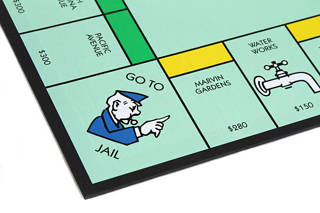
Monopoly demonstrates this enduring appeal through its properties, dice and distinctive board, giving you a recognisable starting point for understanding its newer entertainment formats.
The trend towards digital adaptations is reflected in Hasbro’s 2025 annual report, which recorded $168 million in revenue from Monopoly Go!, up from $112.2 million in 2024. This growth highlights the commercial reach of Monopoly beyond the traditional tabletop format.
Live-streamed game shows take familiar television conventions into online spaces, combining presenters, studio production and interactive digital features to create a different viewing experience.
Monopoly Big Baller illustrates this development through a bingo-style number draw and a three-dimensional board sequence, bringing established imagery into a modern broadcast format.
How Monopoly Big Baller brings the board game to a live audience
Developed by Evolution, Monopoly Big Baller adapts the classic property’s visual identity into a presenter-led show, although its mechanics differ considerably from the original tabletop game.
You can explore the Monopoly Big Baller live game show to see how its studio presentation and numbered-ball draw combine familiar Monopoly imagery with a distinct game format.
The digital version uses bingo-style cards and numbered balls, so you follow matching numbers and completed lines rather than buying properties or negotiating deals with other players.
This distinction helps explain the adaptation, as the recognisable branding provides a familiar setting while the rules establish a separate experience built around draws, card results and animated sequences.
The bingo-style draw at the heart of the format
The main game revolves around bingo-style cards arranged in a five-by-five grid, with numbers drawn from a pool of 60 and 20 balls selected during each round.
As the draw progresses, matching numbers are marked automatically on your cards, allowing you to follow potential lines across the grid without manually tracking every result.
The format includes Free Space cards and Chance cards, which differ in their features, with the latter incorporating a centre position associated with a multiplier.
Horizontal, vertical and diagonal lines provide familiar patterns, so you can understand the basic objective quickly even if you have never encountered this particular game before.
The presenter and studio as part of the entertainment
The television influence becomes clear through the studio setting, camera work and presenter, which give the broadcast a recognisable structure as each stage unfolds.
You can follow the numbered-ball draw alongside the presenter’s commentary, helping you understand the sequence of events as the results appear on screen.
This human presence distinguishes the production from a simple automated display, as the host connects the different stages and gives the broadcast a consistent pace.
Moreover, the combination of live commentary and carefully timed camera shots also helps maintain your attention, much like a traditional television game show.
The studio presentation also helps explain transitions between the main draw and the animated board sequence, keeping the experience understandable as its visual elements change.
The three-dimensional Monopoly board sequence
The three-dimensional bonus round introduces another dimension to the presentation, with Mr Monopoly moving around a digital representation of the familiar board according to dice rolls.
Properties feature multipliers, while houses and hotels can increase the values associated with certain spaces, connecting the animated sequence with recognisable elements from the original game.
You will also encounter familiar references such as Chance, Community Chest, taxes and Jail, which help establish a visual connection with the traditional board.
This sequence combines computer-generated animation with live studio presentation, creating a change of pace that distinguishes the board segment from the numbered-ball draw.
What modern game-show design reveals
Monopoly Big Baller shows how a familiar intellectual property can support a different entertainment format, with each production element serving a recognisable purpose.
The bingo draw establishes a repeatable structure, the presenter provides continuity and the animated board introduces visual variety, so the experience combines clear mechanics with elaborate presentation.
Online streaming also allows this type of production to reach audiences through computers, tablets and smartphones, removing the need to follow a conventional scheduled television broadcast.
For you as a viewer, the result brings together familiar branding, a hosted performance and a digital interface, demonstrating how established game-show conventions can adapt to online distribution.
A familiar brand in a different format
Monopoly Big Baller is best understood as an adaptation of the board game’s imagery and themes, with its own rules and presentation.
Its bingo-style draw, presenter-led studio and three-dimensional board sequence each contribute to a format that combines recognisable references with distinct mechanics.
If you are interested in how entertainment formats evolve, the game provides a useful example of how a classic board-game identity can translate into a live-streamed production.
Its appeal lies in how familiar board-game imagery meets the pacing and presentation of a modern television-style show, giving you a clear example of entertainment adapting to digital audiences.
18+ only. Gambling involves risk. For information and support, visit BeGambleAware.org.