
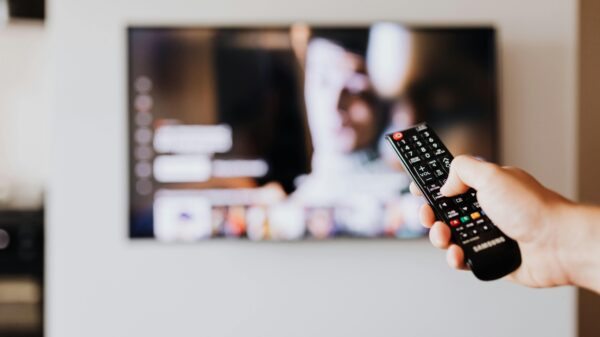
Long gone are the days of television being just a one-way experience. For years, audiences at home sat back and watched whatever was scheduled for the day. However, that’s quickly evolved to be far more interactive than ever before. Viewers have been able to shape how they engage with entertainment, turning them into participants and changing what it means to ‘watch’ a show.
From Passive Viewing to Active Participation
Tons of different programmes, such as The 1% Club, for instance, have been able to successfully show what kind of experience interactive TV can provide. The way it goes is that viewers are typically encouraged to answer the same questions that the people they are watching on TV are asked to answer. Social media just helps to make it a lot more fun and allows people to share their answers and discuss questions with other people in real time.
Another similar example, Destination X, blends audiences with travel and mystery, asking players to help piece together what is happening alongside the contestants. These show formats go far beyond just observing the outcomes and become a test of personal skills and knowledge as well.
This reflects a massive change in the way that people consume media. Streaming, gaming, and social media have pretty much conditioned their users to expect some kind of engagement or interaction. Simply providing that assists in helping people make choices and understand feedback, rather than just going through a linear experience.
Technology Driving the Change
Second screens, like phones and tablets, have also played a major role in this pretty massive change. Smart devices let people engage with live events, look into companion apps, and even social media sites without ever having to change the channel. More and more shows are being produced with this in mind, building a format that feels incomplete if audience members aren’t actively participating in some way.
In a way, this also helps TV compete with other digital and gaming platforms that tend to prioritise audience interactions. If a viewer is able to play along with everyone else, there is a stronger emotional investment, and it becomes a major reason to watch live.
Because of this, people are even gravitating towards new online casino platform sites in the UK, as they seem more like an extension of this participation-led entertainment instead of being chance-based play.
What Will Happen to Traditional TV?
Traditional TV may not be here to stay, but nor is it going anywhere in a very big rush. At least, not in an altered form. While watching your favourite TV programmes may not be an option that is going anywhere, thanks to dramas and scripting, the success of interactive TV is not to be ignored. This is because it is a reflection of a desire for something more than what is on the screen, and to make its audience participate and play along.
As producers and broadcasters experiment with different technologies and new formats, interactive television is likely to only get more and more sophisticated. There are more ways than ever to collect real-time data in order to personalise the audience experience to the point of your own integration.
What’s clear more than ever is that the future of entertainment is only going to increase its audience participation, and for modern viewers, that’s exactly the point.