

Before credit cards, people used paper gift certificates or tokens. These were created to make it easier to buy gifts for hard-to-shop-for people or those you don’t know well enough to purchase for.
One of the earliest examples is the 1932 Book Token’s lick-and-stick stamp voucher scheme, created by the publisher Harry Raymond for people worried about getting the wrong book. Over the years, the vouchers evolved into department store gift certificates and, finally, plastic cards in the 1990s.
Decades later, we use digital gift cards in New Zealand for online shopping, including the Prezzy Card online casino vouchers. But the history is more complicated than this. Why did the card evolve, and how did it change with technology? Let’s take a closer look.
Paper Era
Starting as a simple paper voucher, or a stamp-like gift certificate that would be redeemed at the register by the shopkeeper, the paper gift certificate was very efficient in the 1930s and 1940s.
In the coming decades, there were more famous campaigns, such as the Christmas campaigns in the 1970s run by McDonald’s, and there was not much need for advancement. What changed the landscape was the colour printer.
Printing became more available to the general public in the late 1980s, and unsurprisingly, people started misusing the technology. Consequently, fraud exploded, and retailers needed something safer.
Plastic Cards
In 1994, the first modern-day gift card in the U.S. was created by Neiman Marcus, with a rather quiet, experimental launch. The card was called the NM Express Card, but it didn’t reach a larger audience. The moment when the gift card became a cultural phenomenon happened a year later, when Blockbuster tested the system.
In 1996, it was a part of a national campaign, and the gift card was processed by the third-party payment infrastructure platform Nabanco. It prevented fraud with a unique security feature — it had no value until it was activated at the register.
The next step in the evolution of the gift card was the Kmart Cash Card. Kmart offered it as a replacement for cash returns caused by missing receipts. This practice remains popular today.
New Format: Starbucks
After that, the new gift card jump happened with Starbucks in 2001. These gift cards were popularised because it was suddenly possible to use them more than once. Now, people have ongoing payment relationships with the company, which improves loyalty and allows customers to purchase the cards themselves.
This proved efficient and lucrative, and many other industries followed suit. Grocery stores, pharmacies, and large retailers all started adding gift cards to their offers. The gift card was now fully popularised, and it expanded more across the world as it followed big brand strategies.
The reloadable card was developed further, and in March 2024, the company created the Starbucks Digital Network Card. With this card, it was possible for people to send gift cards instantly via text or email.
Open Loop Cards
When gift cards became open-loop, they turned from a treat budget for a specific store to a multi-purpose financial tool. Once they became powered by Visa and Mastercard, they were available everywhere these networks functioned.
The gift card was not limited to one place — it was practically used like physical money. Open-loop cards became similar to cash. Their use exploded, and today gift cards constitute around 40% of the global gift card market.
Losing the Physical Form
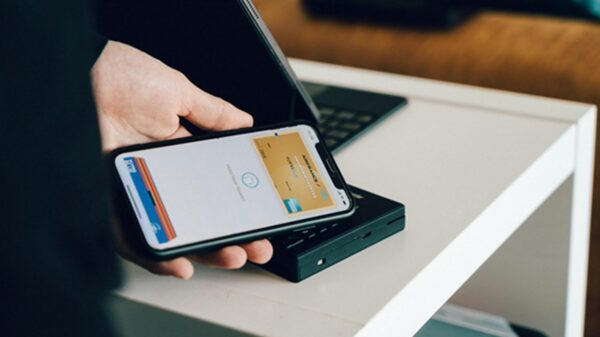
With almost everyone having a smartphone, especially in New Zealand, which has more mobile connections than people, e-cards became highly popular. While they have been available since the late 2000s, they blew up during the pandemic, becoming easier to use and more developed.
In New Zealand, this is Prezzy, as its virtual card can be added to digital wallets, its balances are easy to check, and it works anywhere Visa works. They are not only used for gifts, either. They are a financial tool people use to limit spending because they’re separate from their main accounts.
This layer of separation also makes them useful for privacy-conscious purchases, savings purposes, and budgeting. The control is also a common reason people use them for purposes like iGaming, something that Isabella Pritchard from the NZ Casino Online team noticed.
The gift card is prepaid, usable anywhere online, and reloadable with limited amounts. As it’s digital, it’s also less likely to be lost, which has been a significant problem with physical cards. People who don’t use banks also use these cards to simplify their online shopping.
For businesses, they increase loyalty and offer upfront payments for products. They also provide data on consumer preferences, which helps them organise and create financial strategies.
Gift Cards Continue to Evolve
This is how the simple paper certificate developed into a huge global market. According to a report from Allied Market Research, the world’s gift card market was valued at $950.86 billion in 2024.
Its growth is not stopping either, as its projected CAGR is at a solid 9.0% between 2025 and 2034, when it’s expected to hit $2.3 trillion. And now, they’re evolving further, becoming personalised, secure, and instantly delivered.