
 Why TV Game Shows Still Understand Risk Better Than Almost Anyone
Game shows have always known something drama writers spend whole seasons trying to engineer: tension does not need a villain if the rules are clear, the clock is visible, and the prize can disappear in a second. From studio-floor quizzes to glossy streaming competitions, British viewers have been trained to read risk as entertainment. The best formats do not simply ask who wins; they ask how far someone will go before caution starts to look sensible.
That same logic explains why simple probability-led formats travel well outside television. On MelBet GuideBook, the official MelBet guide hub covering registration, sports betting, casino games and platform mechanics, readers can find practical explainers on formats such as how to play Plinko (Arabic: طريقة لعب Plinko) without without treating the game as a mystery box. The useful part is the breakdown of rules, stake sizing and risk before play begins. For a TV-literate audience, that matters because Plinko is close to the old studio trick of turning a falling object, a numbered board, or a timed choice into suspense. It should still be viewed as gambling, with RNG, house edge and bankroll limits shaping the experience rather than instinct or momentum.
The Button, the Board, the Drop
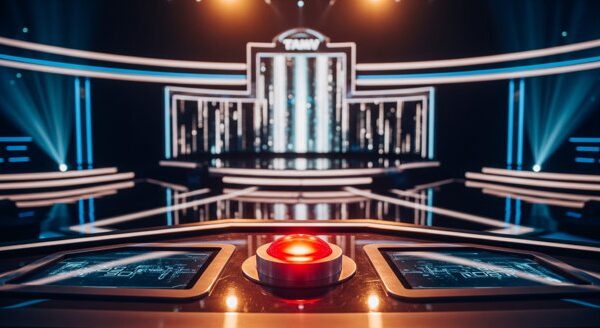
Television loves visible mechanics. A contestant presses a button, opens a box, chooses a door, answers under pressure, or watches an object travel down a board. The audience understands the stakes because the format turns probability into something physical.
That is why the drop remains such a durable image. A ball falling through pegs, a counter sliding toward a tipping point, or a wheel slowing down all create the same pause. Viewers know the contestant has no control once motion begins, but the screen sells the illusion of agency.
Why Risk Works Better When It Looks Simple
The best game-show rules can be explained in one sentence. That is not because the format lacks sophistication. It is because the psychology sits underneath the surface. A simple rule lets the viewer focus on behaviour: who hesitates, who overreaches, who plays safely too early, and who mistakes luck for skill.
Casino-style games use a similar rhythm, although the responsible framing has to be stricter. A player may choose a stake or volatility setting, but an RNG-led game does not become predictable because the last result looked close. The screen can suggest drama; the maths still decides the long-term shape.
British TV Has Always Loved the Calculated Gamble
British entertainment has a fondness for tactical nerve, public second-guessing and controlled embarrassment. Quiz shows rarely rely only on knowledge. They add pressure: limited lifelines, banking decisions, team votes, hidden answers, social bluffing, or the option to walk away with less.
That is why formats built around deduction and betrayal now sit comfortably beside traditional quizzes. The pleasure is not just in discovering the answer. It is in watching someone manage imperfect information while everyone else believes they would do better from the sofa. The same habit makes risk-based mechanics easy to understand. Take the deal. Drop the counter. Hold the nerve.
The House Edge Is the Detail TV Usually Hides
Television can frame risk as a fair contest because game shows need winners. Casino games work differently, so a responsible explanation has to separate entertainment from expectation. In gambling, RTP, volatility, RNG and house edge describe how the product behaves over time, why short sessions can swing sharply, and why no pattern should be treated as a forecast.
That distinction matters for anyone crossing from TV-style spectacle into real-money play. The familiar drama of a board, wheel or falling object can make the format feel friendly, but bankroll management should come before curiosity. Set a limit first. Treat the stake as entertainment spend. Stop when the session stops being fun.
Streaming Has Made Game Mechanics More Cinematic
Modern entertainment has pushed game-show grammar into drama, reality TV and scripted thrillers. Streaming competitions borrow from sport, quizzes, survival formats and social deduction. Drama series borrow the visual language of rules, rounds and elimination. The reason is obvious: rules create speed.
A viewer can enter halfway through a scene and understand the conflict if the format is clean enough. Someone must choose. Someone may lose. Someone else is watching. A hidden rule feels unfair; a visible rule feels dramatic.
For CultBox readers, the point is not that entertainment and gaming sometimes look similar. It is that both understand suspense as a designed experience. The difference sits in the money, the maths and the responsibility attached to play. On television, the viewer pays with attention. In gambling, the player risks funds, so the old sofa logic — “I would have done better” — needs to stop at the screen.